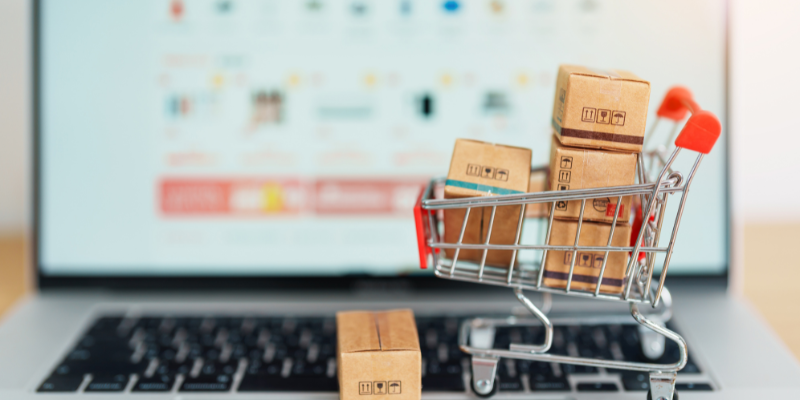
Online shopping in Uganda is no longer something for only a few tech-savvy people. Today, someone can sit in Ntinda, Mukono, Mbarara, Gulu, Jinja, Entebbe, or even at the office during lunch break and browse for a phone, a pair of shoes, a blender, baby items, beauty products, furniture, electronics, or a gift for someone special.
That convenience is one of the biggest reasons online shopping is growing. You do not have to move through traffic, bargain from one shop to another, or spend hours looking for something that might not even be available. With a phone and internet connection, you can compare options, ask questions, and place an order.
But let us be honest: many Ugandans still feel nervous about buying online.
And that fear is understandable. Almost everyone has heard a story about someone who paid for a product and never received it, ordered something that looked good in photos but received poor quality, or sent mobile money to a seller who disappeared. Because of experiences like these, many people ask the same question before buying anything online:
How do I shop online safely in Uganda?
The good news is that online shopping can be safe, simple, and convenient when you know what to look out for. You do not need to be an expert. You only need a few smart habits: check the seller, understand the product, confirm the payment process, ask about delivery, and avoid rushing into deals that feel suspicious.
This guide will walk you through how to buy online in Uganda with more confidence, whether you are shopping for the first time or you have bought online before but want to avoid mistakes.
Why More Ugandans Are Choosing Online Shopping
The way people shop in Uganda is changing. In the past, buying something usually meant physically going to town, visiting several shops, comparing prices, and hoping you find what you need. That still works, but it is not always convenient.
If you live in Kampala, you know how much time can disappear in traffic. If you are outside Kampala, you may not always have access to the same variety of products found in bigger commercial areas. If you run a busy schedule, moving around to look for one item can feel like a full-day activity.
Online shopping solves some of these problems.
It allows customers to:
- Compare products without moving from shop to shop
- Discover sellers they may not have found physically
- Save time during busy days
- Ask questions before making a purchase
- Shop from home, work, school, or anywhere with internet
- Access product categories that may not be available nearby
- Plan purchases better by checking prices first
For many people, the biggest attraction is convenience. But convenience alone is not enough. A good online shopping experience must also feel safe. That is where trusted marketplaces like Dantty become important, because shoppers need a better alternative to buying from random posts, forwarded links, or unknown sellers in private messages.
1. Start By Choosing The Right Place To Shop
Where you shop matters just as much as what you buy.
Many online shopping problems begin when a buyer trusts the wrong source. For example, you may see a product posted in a social media group with a very attractive price. The seller tells you to send mobile money quickly because "stock is limited." You pay, then suddenly the person becomes hard to reach. Maybe they stop replying. Maybe the number goes off. Maybe the product arrives, but it is not what was advertised.
This is why it is safer to shop through an organized online marketplace instead of relying only on scattered social media posts or unknown sellers.
A trusted marketplace gives shoppers a more structured way to browse products, compare options, and make better decisions. It also helps sellers present their products more professionally, which is better for both sides.
Before buying from any online platform, ask yourself:
- Does the platform look professional and active?
- Are products listed clearly?
- Can I understand what is being sold?
- Is there enough information about the product?
- Are there clear contact or support options?
- Does the shopping process feel organized?
- Does the seller answer questions properly?
If the shopping experience feels confusing from the beginning, be careful. A serious seller or marketplace should not make you feel like you are gambling with your money.
2. Read The Product Details Carefully
One of the most common mistakes people make when shopping online is buying based only on the photo.
Photos are important, but they do not tell the whole story. A product can look beautiful in a picture and still be the wrong size, wrong model, wrong material, or different quality from what you expected.
Before you place an order, slow down and read the product description. If the description is not clear, ask questions.
For electronics, check details like:
- Brand
- Model
- Storage size
- RAM
- Battery condition
- Warranty
- Whether the item is new, used, or refurbished
- Accessories included, such as charger, cable, earphones, or box
For fashion items, check:
- Size
- Color
- Material
- Fit
- Whether the item stretches
- Whether exchange is possible
- Whether the photo is of the actual item or a sample
For home appliances, check:
- Brand
- Size or capacity
- Power usage
- Warranty
- Delivery cost
- Whether installation is needed
- Whether spare parts are available locally
For baby products, check:
- Age suitability
- Safety features
- Material
- Size
- Cleaning instructions
- Whether the item is new
This may seem like a lot, but it can save you from disappointment. A careful buyer asks before paying, not after receiving the wrong thing.
3. Be Careful With Deals That Look Too Good To Be True
Ugandans love a good bargain. There is nothing wrong with looking for a fair price. In fact, one of the benefits of online shopping is that it helps you compare prices before deciding.
But when a price is extremely low, pause for a moment.
For example, if a phone normally costs much more everywhere else, but one seller is offering it at a shockingly low price, you need to ask why. It could be a genuine promotion, but it could also mean the item is fake, damaged, stolen, used, refurbished, or simply not real.
Before jumping on a cheap deal, ask:
- Is this the normal market price?
- Is the product new or used?
- Why is the price so low?
- Does the seller have proof that the product exists?
- Are there hidden delivery fees?
- Is the seller rushing me to pay?
- Can I verify the product details?
Scammers often use urgency to stop people from thinking clearly. They may say things like:
- "Pay now, someone else wants it."
- "Offer ends in 10 minutes."
- "Send deposit quickly."
- "Do not ask too many questions."
A trustworthy seller can encourage you to buy, but they should not pressure you into ignoring common sense.
4. Protect Yourself When Using Mobile Money
Mobile money has made buying and selling much easier in Uganda. It is fast, familiar, and widely used. But because it is so common, scammers also try to take advantage of it.
When paying with mobile money, always take your time before confirming a transaction.
Check the recipient name carefully. If the name that appears does not match what you expected, ask before sending. Confirm the phone number digit by digit. Make sure the amount is correct. A small mistake can send money to the wrong person, and reversing it may not be easy.
Most importantly, never share your mobile money PIN with anyone. Not with a seller. Not with a delivery person. Not with someone claiming to be support. Your PIN is private.
You should also be careful with unexpected prompts. If you receive a mobile money approval request that you do not understand, do not approve it. First confirm what it is for.
Good mobile money habits include:
- Confirming the recipient name before sending
- Keeping the transaction message
- Avoiding payments to suspicious personal numbers
- Never sharing your PIN
- Calling official support channels if something feels wrong
- Taking screenshots of payment confirmation where necessary
If a seller becomes angry because you want to verify payment details, that is not a good sign. A genuine seller should understand that customers are protecting their money.
5. Confirm Delivery Before You Pay
Delivery can make or break the online shopping experience.
Sometimes customers focus only on the product price and forget to ask about delivery. Then later they discover that delivery is expensive, slow, unavailable in their area, or unclear.
Before confirming your order, ask:
- Is delivery available to my location?
- How much will delivery cost?
- How long will it take?
- Who will deliver the product?
- Will I receive a call before delivery?
- Can I pick up the item instead?
- What happens if the item is damaged during delivery?
- What happens if I receive the wrong product?
If you are in Kampala or nearby areas, delivery may be faster. If you are in another town or district, the seller may need more time. That does not mean you should not order, but you should understand the timeline before paying.
Clear delivery communication protects both the buyer and the seller. The buyer knows what to expect, and the seller avoids misunderstandings.
6. Keep Evidence Of Everything
When shopping online, your records are your protection.
Do not delete chats, payment messages, product screenshots, receipts, or order confirmations too quickly. Keep them until the product has arrived and you are satisfied.
Important records include:
- Product screenshots
- Seller conversations
- Order confirmation
- Mobile money transaction message
- Delivery fee agreement
- Receipt or invoice
- Photos of the product when received
This is especially important for bigger purchases like phones, electronics, appliances, furniture, or bulk orders for business.
If a problem comes up, having records makes it easier to explain what happened. Without records, it becomes your word against the seller's word.
7. Ask Questions Without Feeling Shy
Some buyers fear asking too many questions because they do not want to look difficult. But when you are spending your money, you have a right to understand what you are buying.
A good seller should be able to answer basic questions clearly and respectfully.
Before buying, you can ask:
- Is the product still available?
- Is this the actual photo of the item?
- Is it new, used, or refurbished?
- Does it have a warranty?
- What is the final price including delivery?
- When can it be delivered?
- Can I return or exchange it if there is a problem?
- What payment options are available?
The way a seller responds can tell you a lot. If they answer clearly, that builds confidence. If they avoid questions, change the topic, or keep pushing you to pay quickly, be careful.
Online shopping should not feel like guesswork. You deserve clear information.
8. Avoid Suspicious Links And Fake Pages
Not every link you receive is safe.
Sometimes scammers create fake pages that look similar to real businesses. They may send links through WhatsApp, SMS, email, or social media promising big discounts. Once you click, they may ask for personal information, payment details, or mobile money approval.
Before using a link, check carefully.
Ask yourself:
- Is the brand name spelled correctly?
- Does the website look professional?
- Is the offer realistic?
- Is the page asking for too much personal information?
- Did I get this link from an official source?
- Does the link look strange or too long?
If you are unsure, do not click. Search for the official website directly or use the official app or verified page.
It is better to miss a fake discount than to lose money.
9. Start With A Small Order If You Are New
If you have never bought anything online before, you do not have to start with an expensive item.
Start with something small so you can understand how the process works. You can try ordering phone accessories, beauty products, stationery, a small home item, or a simple gift.
This helps you learn:
- How to place an order
- How sellers communicate
- How payment works
- How delivery is arranged
- What to check when the item arrives
Once you feel comfortable, you can move to bigger purchases like phones, laptops, appliances, or furniture.
Confidence grows with experience. The important thing is to start wisely.
10. Know The Difference Between A Marketplace And A Random Seller
Many Ugandans already buy through WhatsApp, Facebook, Instagram, and TikTok. Social media can be useful for discovering products, but it also has risks when there is no structure.
A random seller may post today and disappear tomorrow. They may not have clear policies, proper product descriptions, or a reliable way to handle complaints.
An online marketplace is different because it is built to make buying and selling more organized. Customers can discover products in one place, and sellers can present their businesses more professionally.
For Dantty, this is a major opportunity: to become the trusted bridge between Ugandan shoppers who want convenience and sellers who want more customers.
The future of shopping in Uganda will not only be about who has the cheapest price. It will be about who can offer trust, convenience, clear information, and a better customer experience.
Common Red Flags To Watch Out For
Here are signs that you should slow down or avoid the purchase:
- The seller refuses to answer basic questions
- The price is unbelievably low
- The seller keeps rushing you to pay
- The seller asks for your mobile money PIN
- The payment name looks suspicious
- The seller cannot explain delivery clearly
- The product photos look copied or unclear
- The seller avoids giving product details
- The link looks fake or unofficial
- The seller becomes rude when you ask for confirmation
Trust your instincts. If something feels wrong, take a moment before sending money.
What To Do When Your Order Arrives
Safe shopping does not end after payment. When your order arrives, check it properly.
Before confirming that everything is fine:
- Check whether it is the correct product
- Confirm the color, size, model, or specifications
- Inspect for damage
- Test electronics where possible
- Confirm that accessories are included
- Take photos if something is wrong
- Contact the seller quickly if there is a problem
For expensive products, do not wait many days before checking. The sooner you report an issue, the easier it is to resolve.
Why Dantty Wants To Make Online Shopping Easier In Uganda
Dantty is built around a simple but important idea: online shopping in Uganda should feel easier, safer, and more organized.
Customers should be able to discover products without jumping from one random post to another. Sellers should have a better way to reach customers beyond foot traffic and social media followers. And the whole experience should feel modern, clear, and trustworthy.
For shoppers, Dantty helps with product discovery and convenience.
For sellers, Dantty creates a path to reach more buyers and grow online.
For Uganda's ecommerce future, platforms like Dantty can help more people trust digital shopping by making the experience more reliable and easier to understand.
Final Thoughts
Shopping online in Uganda can save you time, help you discover more products, and make buying easier. But like any form of shopping, it requires good judgment.
Do not rush. Do not pay blindly. Do not ignore red flags because the price looks attractive. Ask questions, confirm details, protect your mobile money information, and choose trusted platforms.
The more carefully you shop, the more enjoyable online shopping becomes.
Whether you are buying your first item online or you already shop regularly, the goal is the same: spend your money wisely and receive what you actually ordered.
Ready to shop with more confidence? Discover trusted products on Dantty today.
FAQs
Is online shopping safe in Uganda?
Yes, online shopping can be safe in Uganda when you buy from trusted platforms, check product details, confirm the seller, use mobile money carefully, and understand delivery terms before paying.
How do I know if an online seller is genuine?
A genuine seller usually provides clear product information, answers questions professionally, confirms delivery details, and does not pressure you to pay without understanding what you are buying.
What should I check before paying for a product online?
Check the product name, brand, size, model, condition, price, delivery cost, warranty, seller details, and payment information. You should also keep screenshots or messages as proof.
Is it safe to use mobile money for online shopping?
Mobile money is convenient, but you must use it carefully. Confirm the recipient name and number, keep your transaction message, and never share your PIN with anyone.
What are common online shopping scams in Uganda?
Common scams include fake sellers, fake pages, products advertised at unrealistically low prices, sellers who disappear after payment, and people pretending to be support agents to steal mobile money details.
Can I return a product bought online?
Return or exchange options depend on the seller or marketplace policy. Always ask about returns before paying, especially when buying clothes, electronics, appliances, or expensive items.
What is the safest way to shop online for the first time?
Start with a small purchase from a trusted marketplace. Ask questions, confirm delivery, use a secure payment method, and keep records until the product arrives.